Repiping Old Pipes in Brighton
Repiping means replacing worn-out water supply pipework with new pipe, either across the whole house or in stages. Repiping Brighton homes comes up often, because much of the suburb went up in the 1950s boom and the decades after.
If we're late, $100 comes off your bill

- Licensed and InsuredEvery job done by a licensed plumber. QBCC No: 15024607
- Fixed Quote FirstFlat-rate pricing, agreed before any work starts
- Lifetime Labour WarrantyBacked by our Fix-It-or-It's-Free guarantee (T&Cs apply)
- $0 Call-Out FeesNo extra charge for nights, weekends or public holidays
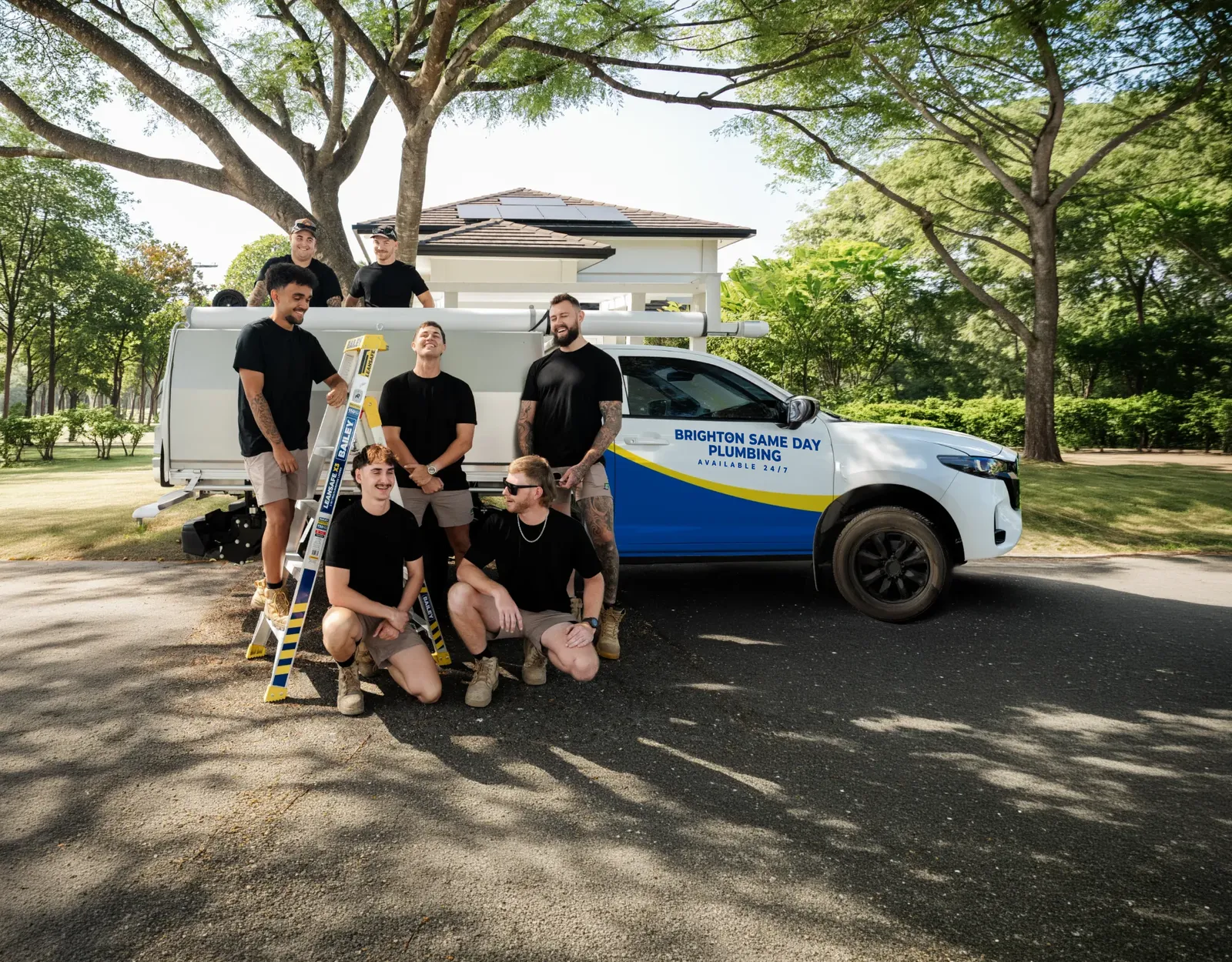
Plenty of those houses still run on pipe that has been quietly wearing out. Every job is done by a licensed plumber working under QBCC No: 15024607.
One repair on a sound line is normal. This page is about the point where repairs stack up and replacement starts to pay. Our Brighton home page lists every service we run, and water pipe repairs takes the single-fix jobs.

Signs Old Water Pipes Need Replacing
A single leak in a healthy run deserves a repair, but a line that keeps springing leaks, tinting the water brown or feeding weak flow at multiple taps has reached replacement time. Galvanised steel and copper pipework jointed with lead-based solder are the two old materials behind those symptoms.
Three signs point the same way:
Leaks that return again and again
Repair after repair on the same stretch means the pipe itself is wearing out, not one bad joint.
Rust-coloured or brown water
Discolouration points to corrosion inside the pipe.
Flow that drops at multiple taps
Low pressure across the house, rather than at one fixture, can mean scale or corrosion is narrowing the bore.
Age and material decide how urgent this is. Galvanised steel is a zinc-coated steel pipe that corrodes from within, narrowing the bore and tainting the water. Lead-based solder on brass fittings and copper pipes was standard across Australia until 1989, so homes plumbed before then deserve a look at the joints.
Paperwork After a Repipe in Queensland
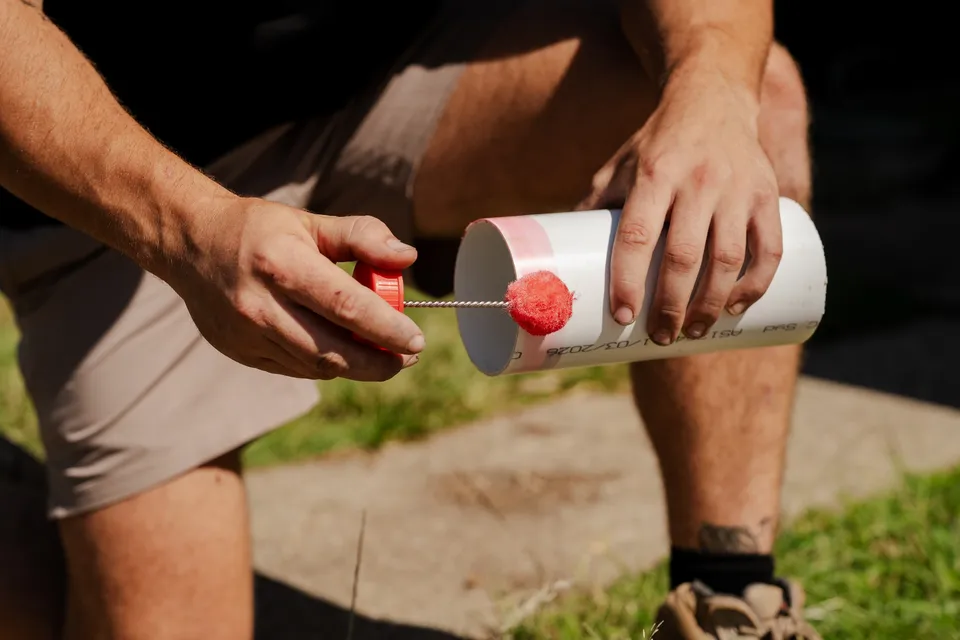
Replacing the water supply pipes in a home that already stands is notifiable work. A licensed plumber does the job, lodges a Form 4 with the QBCC inside 10 business days of completion, and gives you a copy. No council permit applies.
The QBCC registers the job against your address; keep your copy with the house papers.
You keep rights after the work too:
A duplicate on request
You can ask the QBCC for one at any time, including when a Form 4 should have arrived and never did.
A council check
For a year after the QBCC receives the completion notice, the council can contact you, and an inspector may view the repipe with your consent to confirm it meets the code.
A complaint path
If no Form 4 shows up, or the work looks unlicensed or defective, the QBCC takes complaints online.
Plumbing for a brand-new building is permit work, a different job entirely. Unit owners should confirm the category with their plumber first, because some apartment jobs are complex enough to need a local government permit.
Pipe Materials a Repipe Can Use
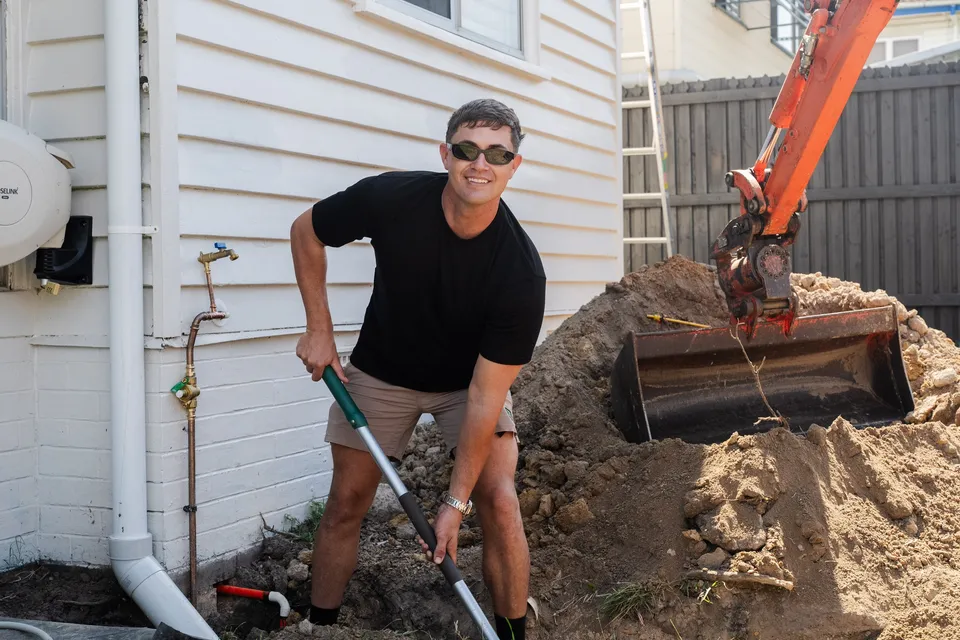
The usual replacement materials are copper, a rigid metal pipe, and cross-linked polyethylene (PEX), a flexible plastic one. Where each line runs decides which suits.
Two rules sit behind the choice:
Approved products only
Anything fitted has to be a product the Act approves for plumbing, and the finished work must comply with the code.
No galvanised returns
Galvanised steel no longer goes in as a supply line, because the corrosion that killed the old pipe would take the new one the same way.
What Happens During a Whole-House Repipe
- 1

We Inspect and Plan
We check which lines need swapping and which can stay, then map the run and agree the staging with you.
- 2

We Open Access and Build the New Run
We open access to the pipes through wall linings, floor frames or the subfloor space, then build the new run alongside the old so the house stays on water through most of the work.
- 3
We Connect and Test
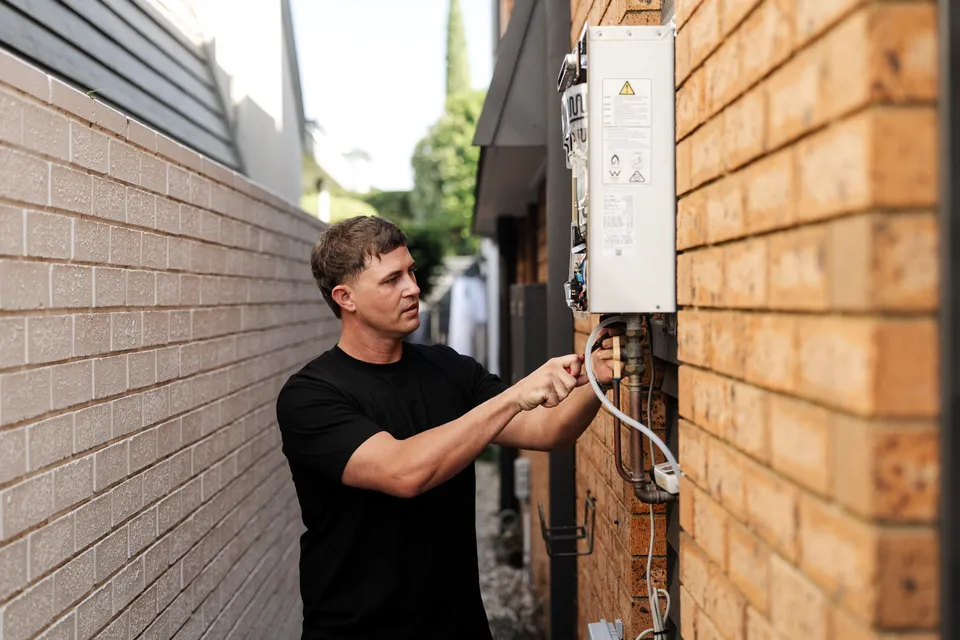
We shut the supply off, swap each fixture across to the new pipework, then pressure test every line for leaks before handover. Under the Regulation, a supply pipe serves water within your premises, and the connection point is where Urban Utilities' system hands over to your pipes. A repipe stays on your side of that line.
Plumbing job in Brighton?
$0 call-out fees, available 24/7, and same-day where we can.
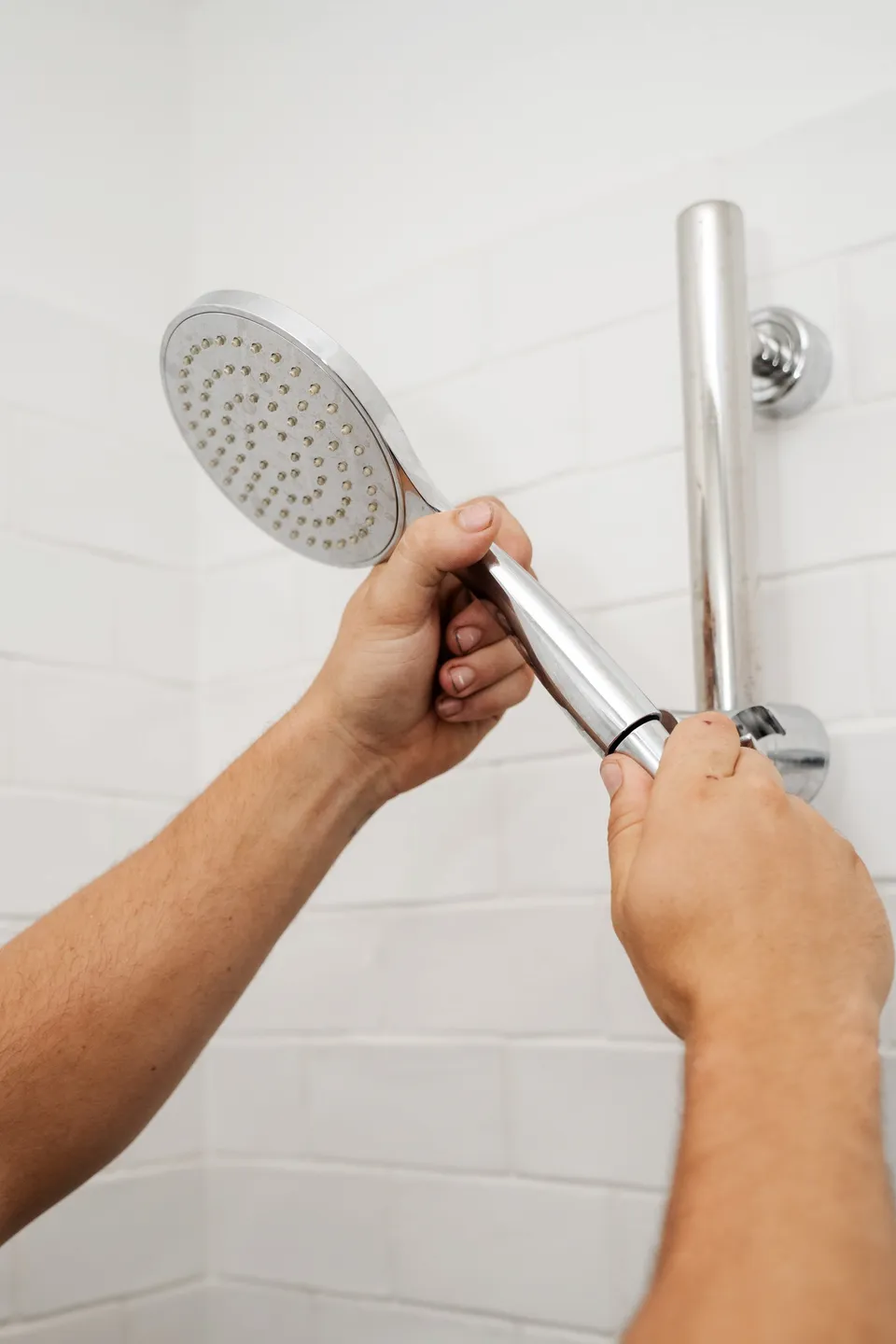
Old Pipes in the Postwar Houses
The suburb filled with detached houses during the 1950s boom, and area-level approvals added only 146 dwellings over the five years to the last census. Almost every water line under these streets was therefore laid decades ago.
Unrenovated postwar homes out along Beaconsfield Terrace and the older streets can still hide galvanised steel supply lines behind the walls. Coastal moisture speeds the internal scaling that chokes flow and weeps at the threaded joints.
That combination is why we treat repeated leaks here as a material problem, not bad luck. If the fault is still a single failure, burst pipe repairs and leak detection handle the patch-first path, and we say so when a repipe is the better spend.
How a Repipe Runs With Us
- 1
Call or message us
Ring (07) 3523 6484 or use the form and describe what's going on in Brighton. A few details up front mean the right gear comes on the first trip.
- 2

We Map the Lines and Quote the Repipe
We trace the existing supply lines, note what each one feeds, and check the access before quoting. Staging is part of the talk: the whole house in one go, or section by section so the kitchen stays working.
- 3
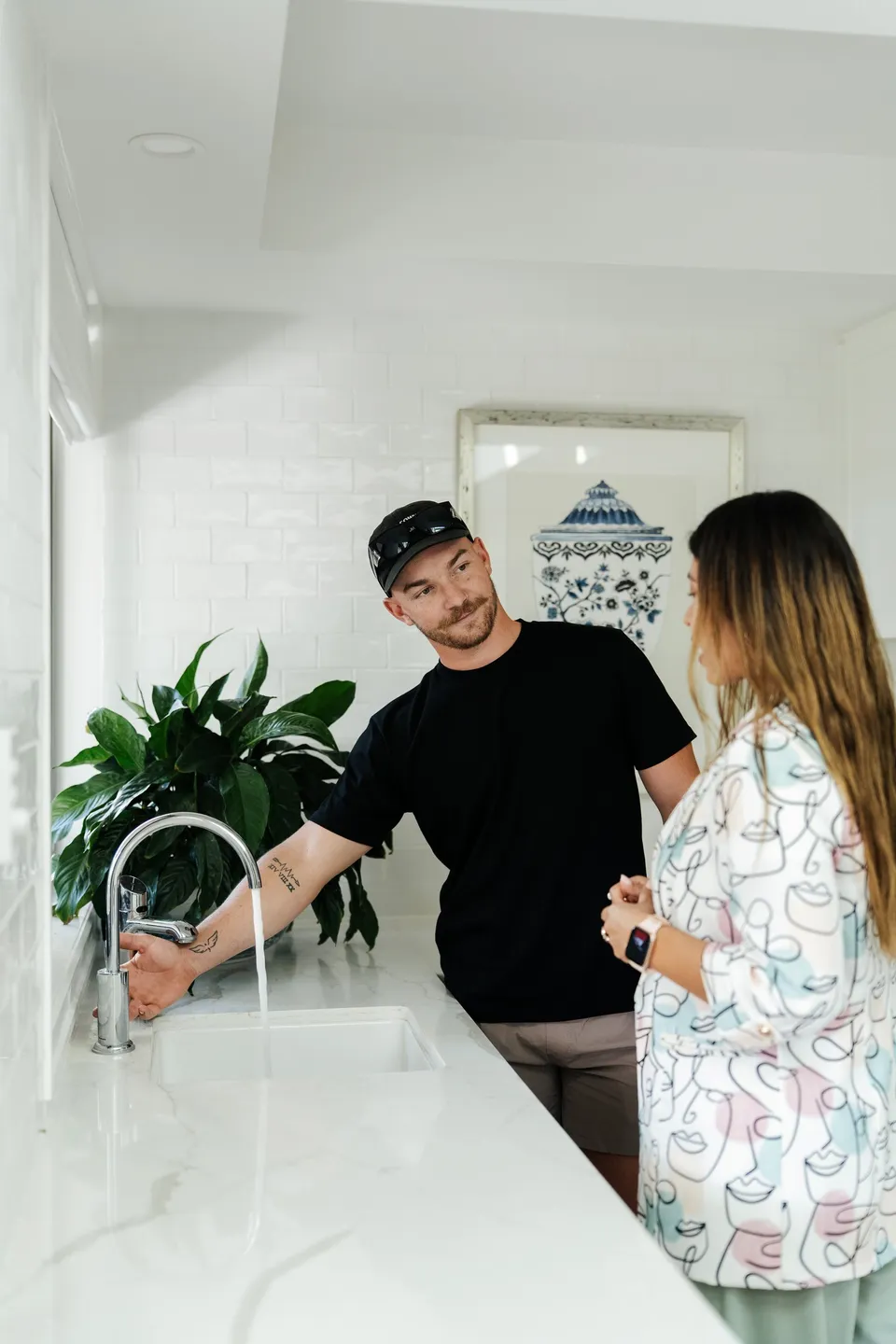
Fixed quote, then the work
We give you a fixed quote before any work starts. It's flat-rate pricing with no hidden fees, and we only start once you approve it.
- 4
Settle up your way
Card and EFTPOS payment on site when the job's finished, or Fix now, pay later if that suits you better.
Repiping Questions From Brighton
Call (07) 3523 6484What tells me my pipes are due for replacement?
Leaks that return on the same run, brown or rust-coloured water, and flow that drops at multiple taps together are the three big signs. Galvanised steel lines, and copper jointed with lead-based solder up to 1989, are the usual culprits in older Brighton houses. A plumber inspects the lines to confirm before planning anything.
Is repiping a do-it-yourself job in Queensland?
No, it isn't. Swapping supply pipes in an existing home is notifiable work, and fixing a single broken pipe is minor work, and both need a licensed plumber. The unregulated list the QBCC publishes is brief and holds no pipework of any kind.
Where can I confirm my repipe was lodged with the QBCC?
The QBCC's online registers let you search by address to see whether a Form 4 went in for your property and whether your plumber holds a current licence. You can request your duplicate from the QBCC if one never arrived, and you can complain if the job was never registered.
What drives the price of repiping an older house?
The price is set by a fixed quote before any work starts, and two things move it most: the length of pipe to run, and how many fixtures need reconnecting. Access matters too, because lines in tight wall cavities or a cramped subfloor take longer to reach.
Do we still have water during the repipe?
Yes, for part of it. The new run is built alongside the old, so the supply from Urban Utilities keeps flowing through most of the work. The water is shut off only while the plumber makes the final connection, and every new line is leak tested before handover.

Call Us About Repiping Your HomeWe'll call you back.
Phone (07) 3523 6484 for a licensed plumber in Brighton. We work under QBCC No: 15024607, with flat-rate pricing, no hidden fees and same-day where we can.
To claim your $0 call-out fee, call (07) 3523 6484 today.