Why Your Toilet Keeps Running
The reason a toilet keeps running is nearly always one of three worn parts inside the cistern. Brighton filled with detached houses through the postwar decades, and census figures record 3,675 dwellings, so plenty of cisterns here have logged thirty or forty years of service. Worn valve internals turn up on our Brighton runs every week.
If we're late, $100 comes off your bill

- Licensed and InsuredEvery job done by a licensed plumber. QBCC No: 15024607
- Fixed Quote FirstFlat-rate pricing, agreed before any work starts
- Lifetime Labour WarrantyBacked by our Fix-It-or-It's-Free guarantee (T&Cs apply)
- $0 Call-Out FeesNo extra charge for nights, weekends or public holidays
You can narrow the fault down yourself with your ears and a simple colour check. The repairs themselves belong with a licensed plumber, apart from three small parts Queensland law leaves open. Here is how to read the signs, and where the line falls.
Inlet Valve, Flush Valve Seal and Overflow Explained
Three faults explain most running cisterns: an inlet valve that never closes, a flush valve seal that leaks, or a water level above the overflow.
Inlet valve
tops the cistern back up after every flush and closes when the float reaches its mark. A worn or blocked one fills slowly or never stops filling.
Flush valve seal
keeps the stored water in place between flushes. Once it wears, water seeps past it into the pan, and the inlet valve responds by topping the cistern up again.
Overflow
the cistern's spill point. Extra water leaves through it rather than flooding the floor, and water running from it means the level has been set past the mark.
The noise narrows it further. A continuing hiss or trickle once the cistern has filled points at the inlet valve. A cistern topping itself up every few minutes without a flush, or water creeping down the bowl's rear wall, points at the seal.

Water Runs but the Cistern Stays Low
An empty cistern with the supply on usually means a worn or blocked inlet valve, a float sitting under its mark, or a partly closed stop tap. Check the stop tap first, because a half-turned tap starves the cistern and copies a valve fault.
Water running while the level stays put tells a different story. The flush valve seal may be draining the cistern as fast as it fills, so no head of water ever builds.
Dual-flush suites make this fault easy to miss. The half flush uses less water, so a slow seep through the seal can run for weeks before the topping-up cycle gets noticed. Suites fitted in the 1960s estates around St Kieran's on Greenwood Street are old enough that both valve sets deserve a look.
Where Home Owner Toilet Repairs Stop
Queensland's regulator classes just three cistern parts as work anyone may do: the float valve washer, the suction cup rubber and the drop valve washer. The job counts as unregulated, needing no licence, approval or report, provided the person has the knowledge and skill the task calls for.
Even so, the finished work has to reach the standard the plumbing legislation and codes set. Everything beyond those three parts counts as minor work, which a QBCC licensee carries out. No permit applies, and no Form 4 goes in.
Rentals add duties on both sides. Queensland tenancy law requires the owner or manager to keep the premises in good repair, and the tenant to report a fault as soon as they notice it.
The Act's emergency list covers a blocked or broken toilet, not a cistern that trickles. A running cistern therefore counts as a routine repair, done within a reasonable time of the tenant speaking up.
What Colour in the Bowl Tells You
Run the check this way: add food colouring to the cistern water, several drops will do, then leave the toilet alone.
- Any colour creeping into the bowl means stored water is leaking past the flush valve seal.
- If the bowl shows no colour, the outlet seal is doing its job, and the inlet valve plus the water level become the suspects.
- Flush once the check is done. Colouring won't stain a ceramic bowl.
No colouring at home? Lay a sheet of toilet paper, bone dry, at the rear of the bowl just above where the water sits. The paper should stay dry; if it dampens, water is trickling down the rear of the bowl and the seal is the culprit.

Who Pays for Water a Cistern Wastes
No, Urban Utilities excludes toilet cisterns from its concealed leak adjustment. The policy covers hidden pipe leaks, not water wasted by a fixture, so the loss stays on the account.
The owner of the property carries that loss, since the pipes and fixtures on that side of the boundary belong to them. A cistern refilling itself around the clock pushes up the quarterly bill, and none of it comes back as an adjustment.
When to Call a Plumber
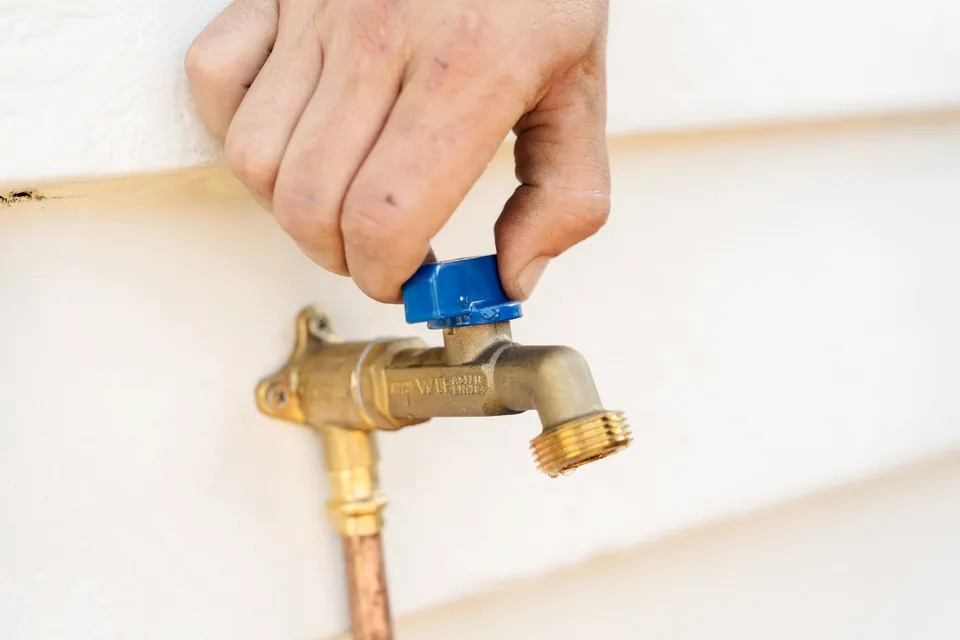
Ring a plumber once the colour check or the topping-up cycle points at a part you cannot lawfully touch. Inlet valves, flush valve seals and float adjustments all sit on the licensed side of the line, and a cistern still running after a washer swap usually needs one of them.
Our toilet repairs service covers the full fault range, from seals and valves to the fixtures around them.
Toilet Questions From Brighton
Call (07) 3523 6484Why does my toilet keep running after I flush?
Three faults cover most running toilets in Brighton: an inlet valve stuck open, a leaking flush valve seal, or a water level above the overflow. A continuing hiss points at the inlet valve. A cistern topping itself up every few minutes points at the seal.
How do I test for a silent leak?
Drop colouring into the cistern, hold off flushing, and give it time. Colour reaching the bowl means water is passing the seal into the pan. Flush once you're done; the colouring won't stain a ceramic bowl.
Will Urban Utilities cover a running toilet in Brighton?
No, Urban Utilities leaves leaking cisterns out of its concealed leak adjustment, so the wasted water stays on the account. The property owner carries the loss for leaks on their side of the boundary.
What is the overflow in a toilet cistern?
A spill point that lets extra water leave the cistern safely instead of pooling on the floor. If the inlet valve won't close or the float sits high, water climbs to the overflow and runs out, sometimes via a pipe dripping outside.

Ring Us About Your CisternWe'll call you back.
Phone (07) 3523 6484 for a licensed plumber in Brighton. We work under QBCC No: 15024607, with flat-rate pricing, no hidden fees and same-day where we can.
To claim your $0 call-out fee, call (07) 3523 6484 today.